
"Santos port"
500 article(s) found

Introduction to the characteristics of the manor producing area of Brazilian coffee boutique coffee bean flavor
Napoleon invaded Portugal in 1807 and the Portuguese royal family moved to Brazil. In 1820, the Portuguese royal family moved back to Lisbon, and Prince Pedro Reuba became regent. On September 7, 1822, complete independence from Portugal was declared and the Brazilian Empire was established. Then he was crowned emperor, Pedro I. Brazil promulgated the Constitution in 1824. In 1825, Portugal recognized Brazil's independence. During the Imperial period (1822-1889)

Brazilian sun-baked yellow bourbon flavor and taste introduction
Professional barista exchanges, please pay attention to coffee workshop (Weixin Official Accounts cafe_style) Brazil is figuratively compared to the giants and monarchs of the coffee world There are about 3.97 billion coffee trees, and small farmers now grow 75 percent of Brazil's coffee. Brazil has twice or even three times as many people engaged in coffee production as Colombia, and Colombia is second in the world

Introduction of main Coffee (1)
1. Brazilian Brazilian Santos Coffee (Elaraby plus): from the kingdom of coffee, Brazil, named for its export from the port of Santos in Brazil, is neutral in taste, slightly bitter in flavor and suitable for blending with other coffees. Coffee is the main source of income in Brazil, so it has strict quality control and is numbered and graded according to the content and particle size of bad beans. two。 Colombian coffee

A brief introduction to the treatment method of grinding degree and baking degree of sweet and bitter Brazilian boutique coffee beans
In select coffee shops, Brazil's santos coffee still appears occasionally, but it is Bourbon Santos (bourban santos) rather than low-cost flat bean Santos. Santos is a descendant of the bourbon species, hence the name for the port of Santos export. In the first three or four years before the coffee tree begins to bear fruit, the beans produced by this kind of coffee tree are small and curved, with excellent flavor and become waves.
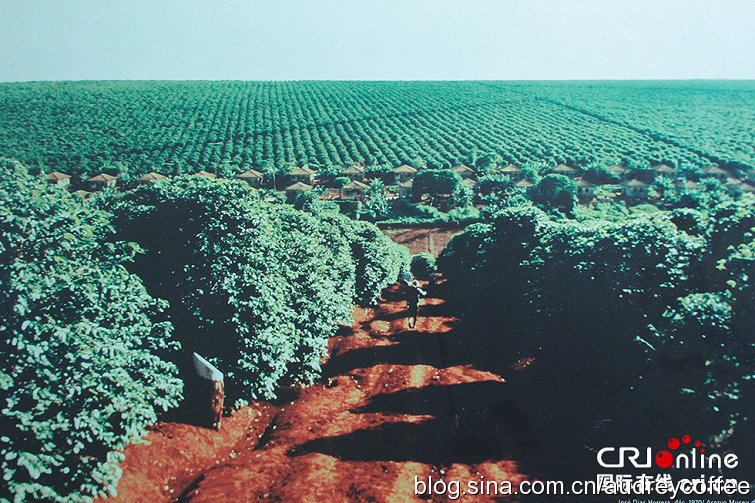
Take you to a coffee farm in Brazil to learn about coffee beans.
Brazil is the largest coffee producer and the second largest coffee consumer in the world. In Brazil, wherever you go, you can have coffee in the morning or at night. Unlike the Italian concentrate, or latte or cappuccino, as most of us know, what Brazilians like most is the kind of ordinary coffee in a small cup, which is hot and mellow. And you can't.

Raw beans Archives Raw beans Wholesale Brazilian coffee producing areas Brazilian pectin sun coffee beans
Professional barista exchanges, please pay attention to coffee workshop (Weixin Official Accounts cafe_style) When it comes to the origin of coffee in Brazil, the first thing people think of is Brazil in South America, because it is the largest coffee producer in the world. There are many types of Brazilian coffee, most of which are unwashed and dried. They are classified according to the state of origin and port of shipment. Brazil has 2.

Origin and History of Brazilian Santos Coffee Santos Coffee brewing method has special flavor
Professional coffee knowledge exchange more coffee bean information Please follow the coffee workshop (Wechat official account cafe_style) Brazil Santos Coffee, named after the port of export-Santos (Santos), accounts for about 1 beat 3 of the world's total coffee output. Brazilian coffee is of uniform quality and is an indispensable bean for blending mixed coffee or Mamba or Mamba coffee. Brazilian Santos coffee, such as very rhyming

Analysis of the types of coffee the ratio of brewed coffee to water
Brazilian coffee (SANTOS) roasting Brazil is the world's largest coffee producer, Brazil's coffee bean export port is Santos, so Brazilian coffee beans are commonly known as Santos coffee beans, with high yield and good quality. Meticulous aroma, comfortable and mild flavor, suitable for new contact coffee to try to drink Java coffee (JAVA) roasted Java coffee mainly refers to Java Island.
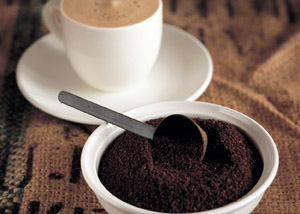
Introduction to the taste of varieties produced by the method of grinding and calibration for flavor description of Brazilian coffee beans
Brazil is vividly compared to the giant and monarch of the coffee world. There are about 3.97 billion coffee trees there, and small farmers now grow 75% of Brazil's total coffee production. The number of coffee producers in Brazil is twice or even three times that of Colombia, the second largest coffee producer in the world. Unlike in the past, Brazil's economy is now less dependent

Description of Brazilian Coffee Flavor, characteristics of Grinding degree and introduction of Fine Coffee in producing areas
There are many large farms in Brazil, which run endless coffee plantations. They use machines to harvest and dry them. They are so efficient in automation that they regard coffee as a general agricultural material and completely abandon the flavor and flavor. As a result, many select coffee companies simply do not sell Brazilian beans so as not to demean themselves. In the select coffee shop, there is still an occasional Sandoska in Brazil.

History of Yemeni Coffee what are the varieties and famous brands of coffee grown in Yemen
Professional coffee knowledge exchange more coffee bean information Please pay attention to Coffee Workshop (Wechat official account cafe_style) Mocha originally refers to the beans transported by the Arabian port of Mocha, located in the upper gate of the Arabian Peninsula (Yemen) countries, today's pure rare mocha has ten rare, pure mocha is rare and expensive, rich and mellow flavor. The word used to be associated with coffee.

Brazilian Queen Manor Yellow Bourbon planting Manor Flavor description Taste treatment method Grinding scale
Brazilian Queen Manor Yellow Bourbon planting Manor Flavor description Taste treatment Grinding scale hence the name of Santos Port exit. In the first three or four years before the coffee tree began to bear fruit, the beans were small and curved, with excellent flavor, and became Bourbon Santos. After that, the beans became bigger, flat in shape, no longer bent, and became flat bean Santos, and the flavor was not as good as before. In the Taiwan area

The history of mocha coffee beans? How many meanings does mocha have? What kind of mocha is it?
Professional coffee knowledge exchange more coffee bean information please follow the coffee workshop (Wechat official account cafe_style) mocha coffee bean history? Mocha originally refers to beans transported by the Arab port of Mocha, located in the countries of Yemen on the Arabian Peninsula. Today's pure and rare Yemeni mocha is rare. The pure mocha is rare and expensive, rich and mellow in flavor.
What are the flavor and taste characteristics of Brazilian coffee Santos coffee beans? Is the Brazilian coffee good?
Professional coffee knowledge exchange more coffee bean information please follow the coffee workshop (Wechat official account cafe_style) Brazilian coffee Santos coffee beans flavor and taste characteristics? Coffee beans-SANTOS, large, light green or yellowish beans, because local beans are mostly sun-treated, with brown cracks in the middle, and are almost always used for blending. Fragrance; fragrance
Tell me about Brazilian coffee.
Brazilian coffee generally refers to coffee produced in Brazil. There is a wide variety of Brazilian coffee, the vast majority of which are unwashed and sun-dried, classified according to the name of the state of origin and the port of transport. Brazil has 21 states and 17 states produce coffee, but four of them produce the largest, accounting for 98% of the country's total output. Brazilian coffee has a low sour taste, which goes well with coffee.

Description of Brazilian Coffee Flavor with low sour taste introduction to the treatment of Grinding degree
There are many large farms in Brazil, which run endless coffee plantations. They use machines to harvest and dry them. They are so efficient in automation that they regard coffee as a general agricultural material and completely abandon the flavor and flavor. As a result, many select coffee companies simply do not sell Brazilian beans so as not to demean themselves. In select coffee shops, Santos in Brazil still appears occasionally.
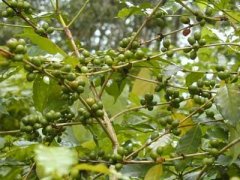
Brazil Bourbon Santos Coffee BOURBON SANTOS
Brazil grows many kinds of coffee, and most of them are not of high quality, but there are some world-famous products, Brazil Bourbon Santos (BRAZIL BOURBON SANTOS) is one of them.
Boutique coffee-Brazilian Santos (Santos)
Brazilian coffee is cheap and abundant. Brazil produces 30 to 35% of the world's coffee annually, ranking first in the world. Unfortunately, there is a lack of top coffee varieties. Brazilian coffee has average quality, soft beans, and is obviously not resistant to heat in the baking process. Santos is more famous among all varieties. Santos is mellow, neutral, drinkable, and other kinds of coffee beans.

Boutique Coffee Santos Coffee latest introduction to Brazilian Coffee
Brazilian coffee generally refers to coffee produced in Brazil. There is a wide variety of Brazilian coffee, the vast majority of which are unwashed and sun-dried, classified according to the name of the state of origin and the port of transport. Brazil has 21 states and 17 states produce coffee, but four of them produce the largest, accounting for 98% of the country's total output. Brazilian coffee has a low sour taste, which goes well with coffee.

Brazilian Sanders Coffee and American Coffee, Brazilian Arabica Coffee and Robusta Coffee
Communication of professional baristas Please follow the coffee workshop (Wechat official account cafe_style) Brazil Coffee mentions the origin of coffee, the first thing that comes to mind is Brazil in South America, because it is the largest coffee producer in the world. There is a wide variety of Brazilian coffee, the vast majority of which are unwashed and sun-dried, classified according to the name of the state of origin and the port of transport. Brazil has 2.